
 Unravelling the domestication potential of Plukenetia L. (Euphorbiaceae) - genetic diversity, taxonomy and compatibility
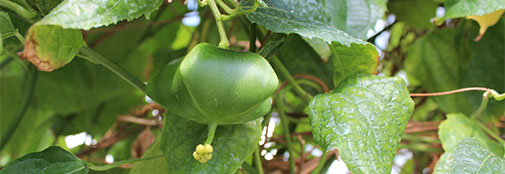
The genus Plukenetia contains 21 species, 14 of which are native to Central and South America, including the underutilized crop Plukenetia volubilis L. (Euphorbiaceae).
Plukenetia volubilis is an oleaginous plant from the lowlands of the Amazon, where it has been consumed by indigenous groups for a long time. The plant is grown for the seeds which contain a unique composition of fatty acids with a large amount of polyunsaturated fatty acids as well as antioxidants.
The seed oil is extracted for use as cooking oil and as a nutritional supplement while the whole seeds are eaten roasted. The seed oil has potential as an alternative to marine sources of polyunsaturated fatty acids, which often contain contaminants such as heavy metals. Plukenetia volubilis is cultivated in agroforestry systems in the Amazon rainforest and may provide an alternative source of income for indigenous groups. However, the production is at present limited and only small amounts are available for export.
The objectives of the project include a taxonomic analysis of the genus using microsatellite markers or genotyping by sequencing with the aim of providing a revised classification of Plukenetia L. in order to facilitate subsequent breeding approaches. The inter- and intraspecific compatibility of the genus is analysed and initial targeted breeding experiments are undertaken. The emphasis is on improved yield of single fruits, early flowering, improved fruit set and increased plant vigour. Furthermore, the market potential is analysed and a set of go-to-market strategies are developed.
