
RootAccess
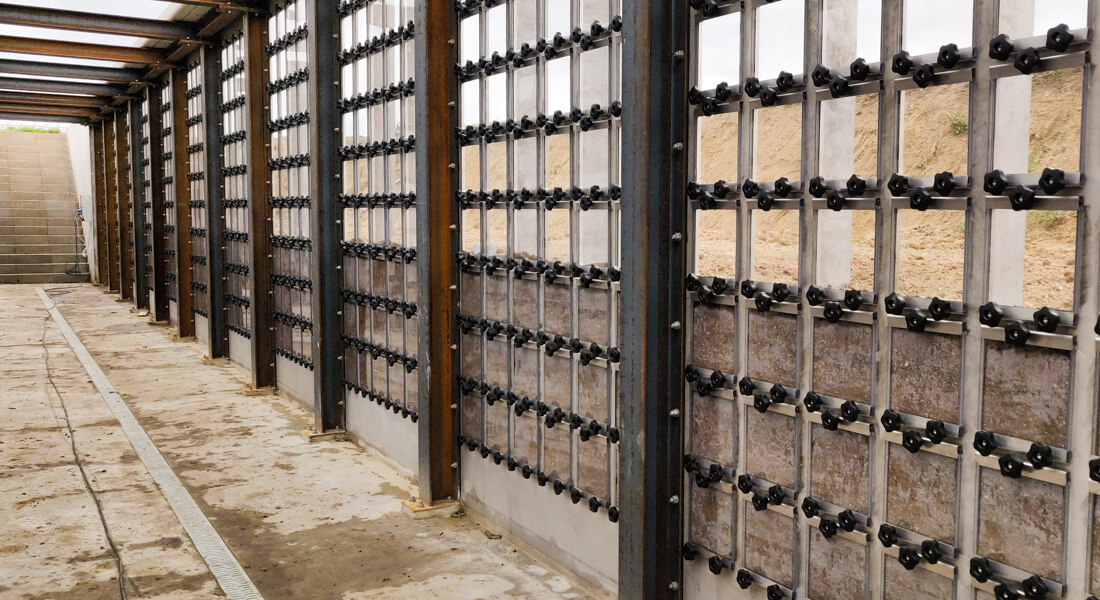
RootAccess is a unique root research facility which has been built and equipped during 2023 to 2025, and during 2026 it is being tested. The facility consists of a tunnel, inspection windows and a broad range of measurement equipment to measure roots and root activity in the full crop root zone, under real field conditions.
See the construction of the facility from start to finish
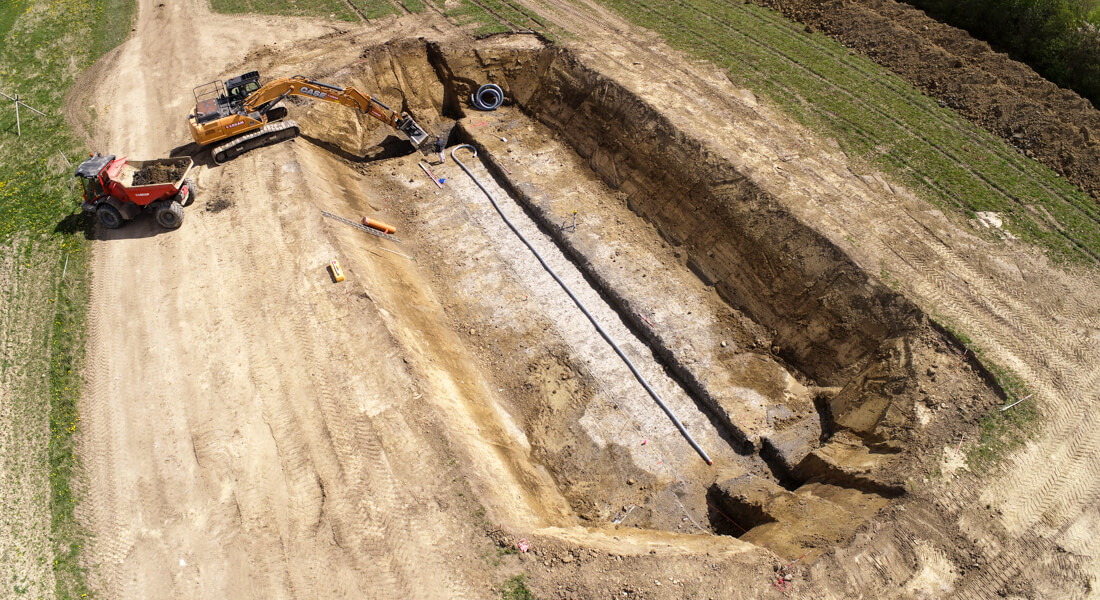
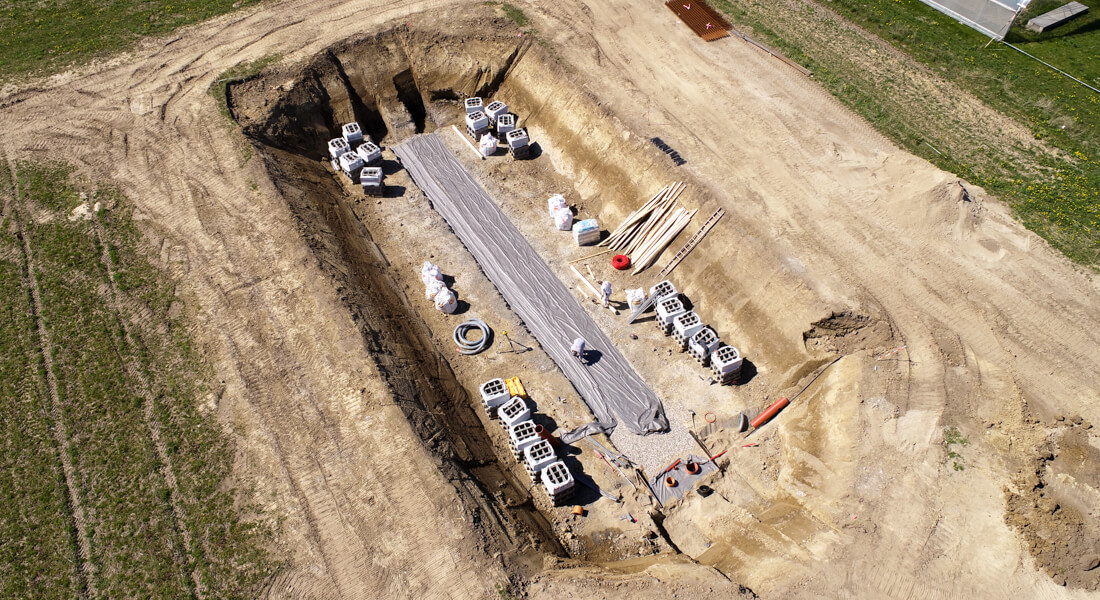
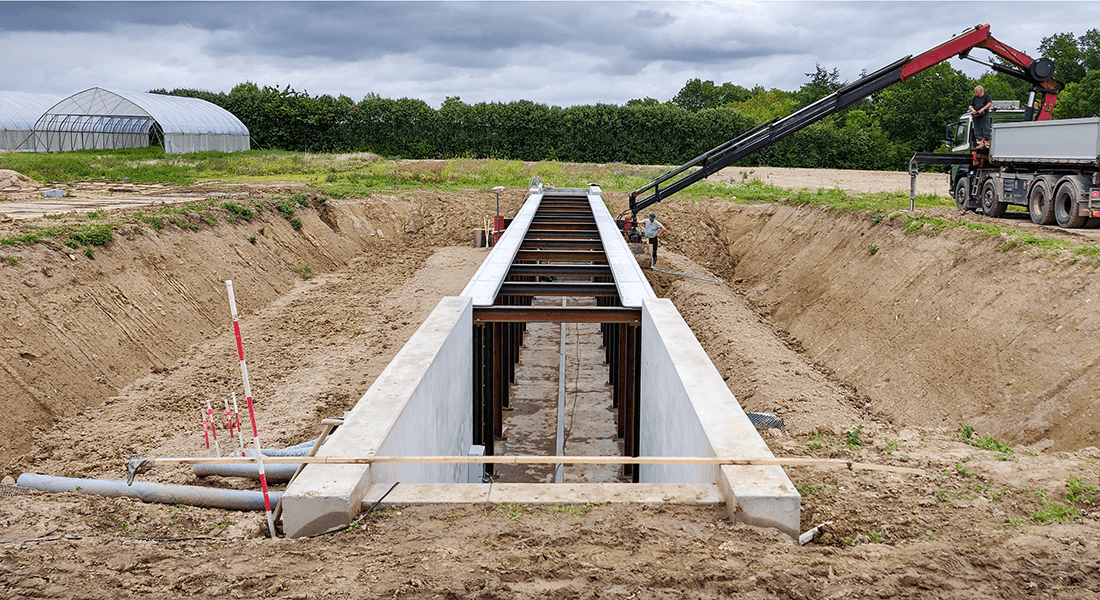
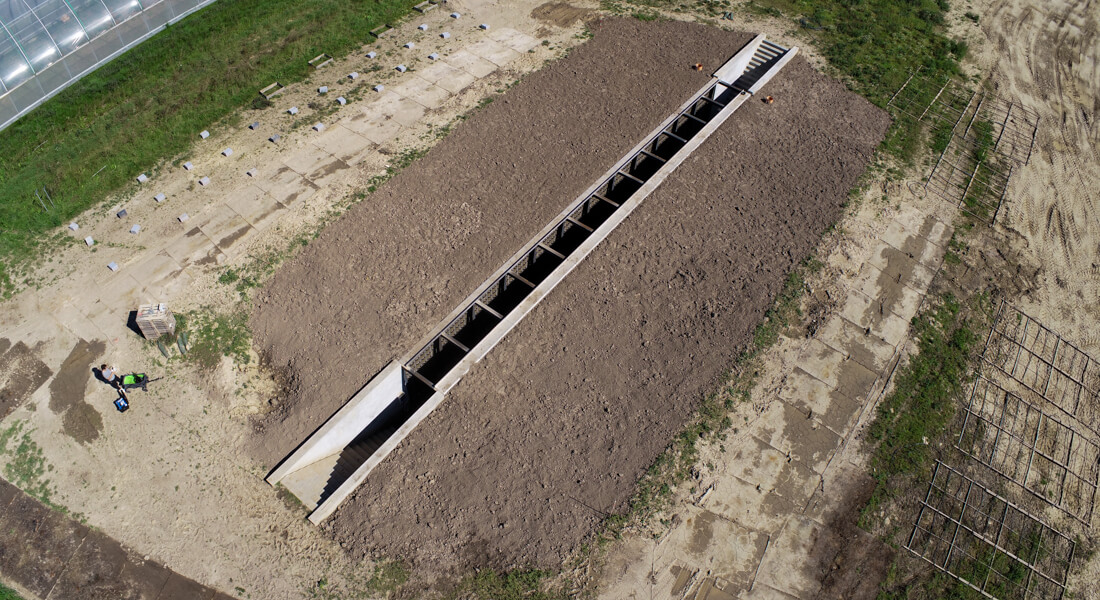
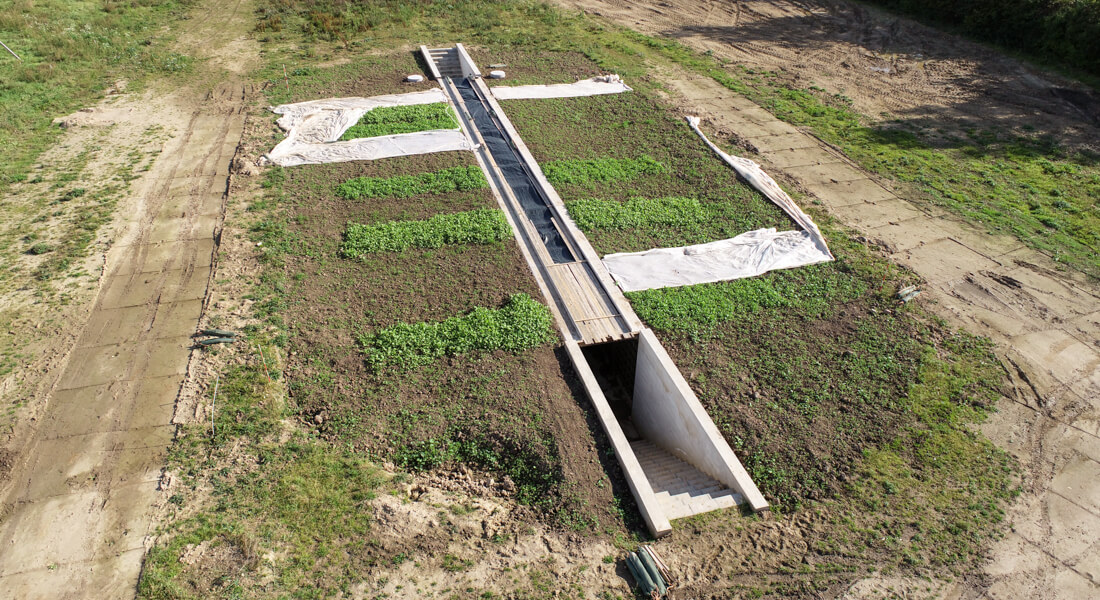
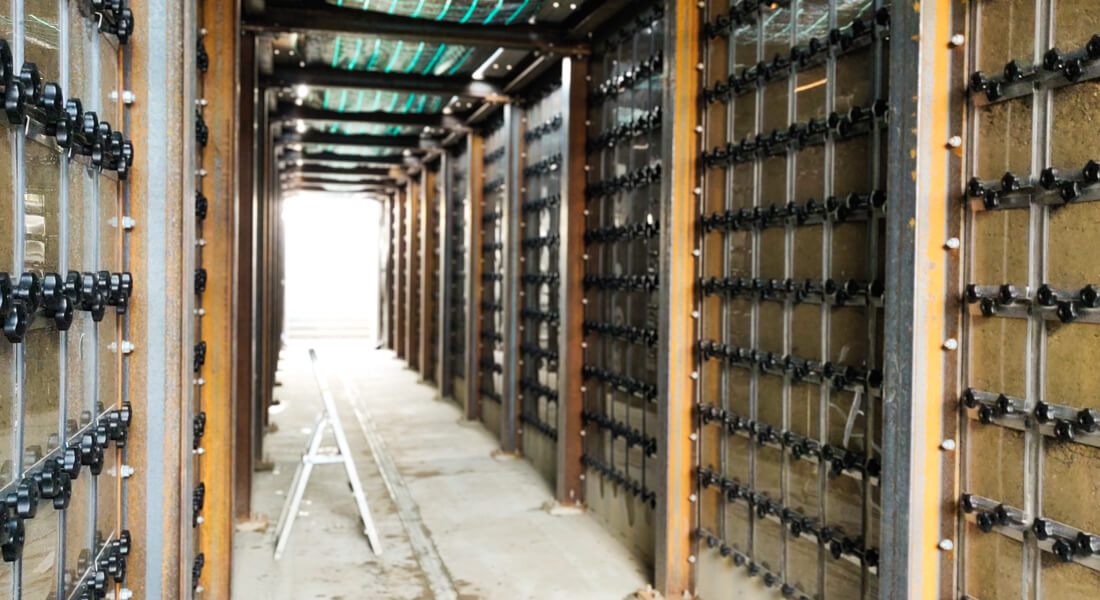
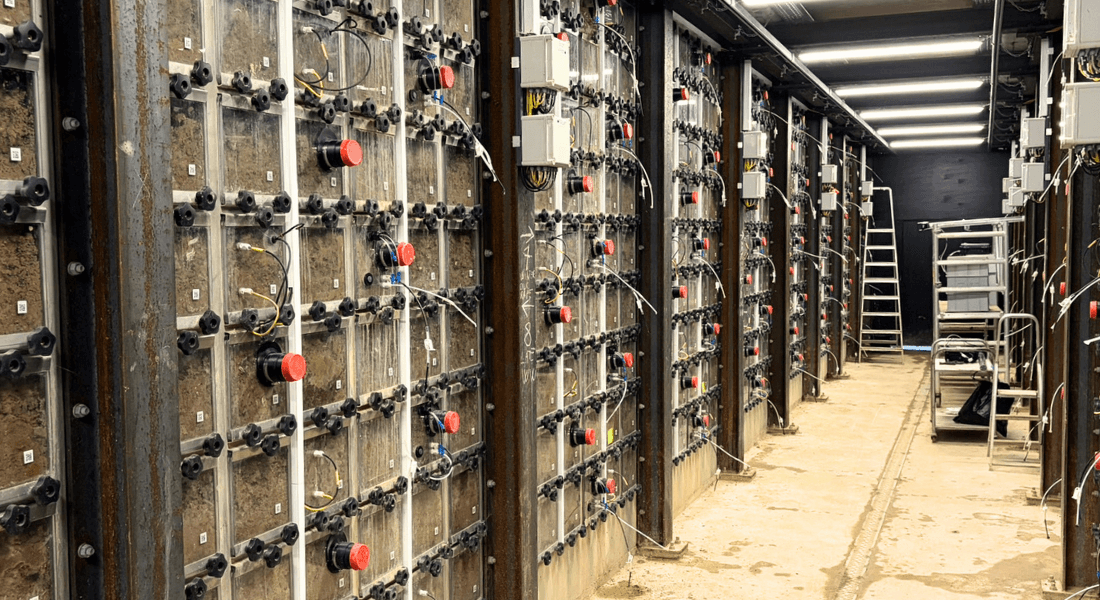
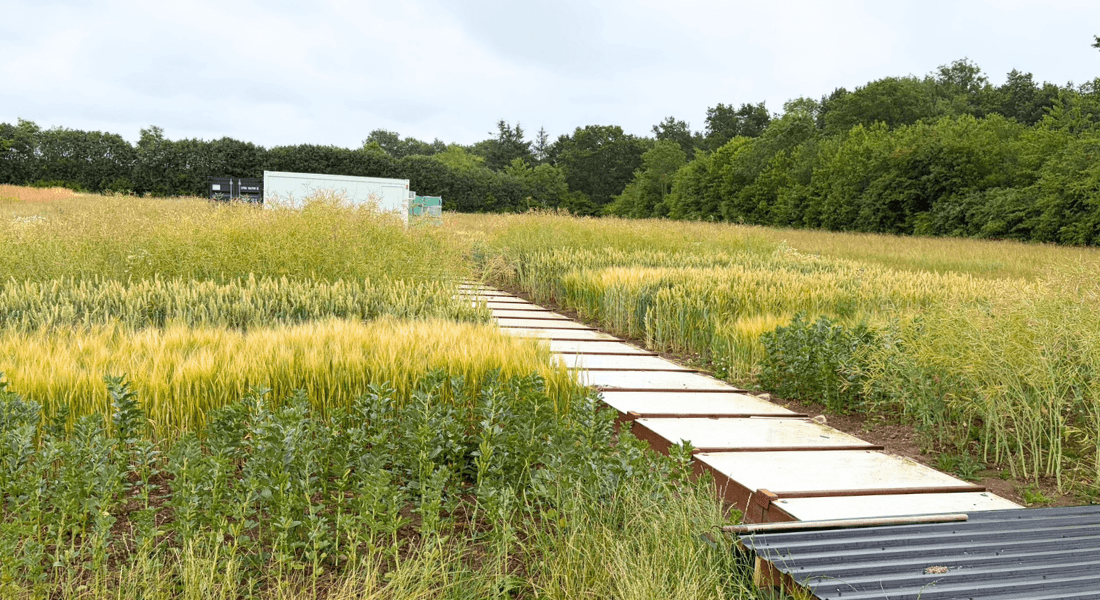
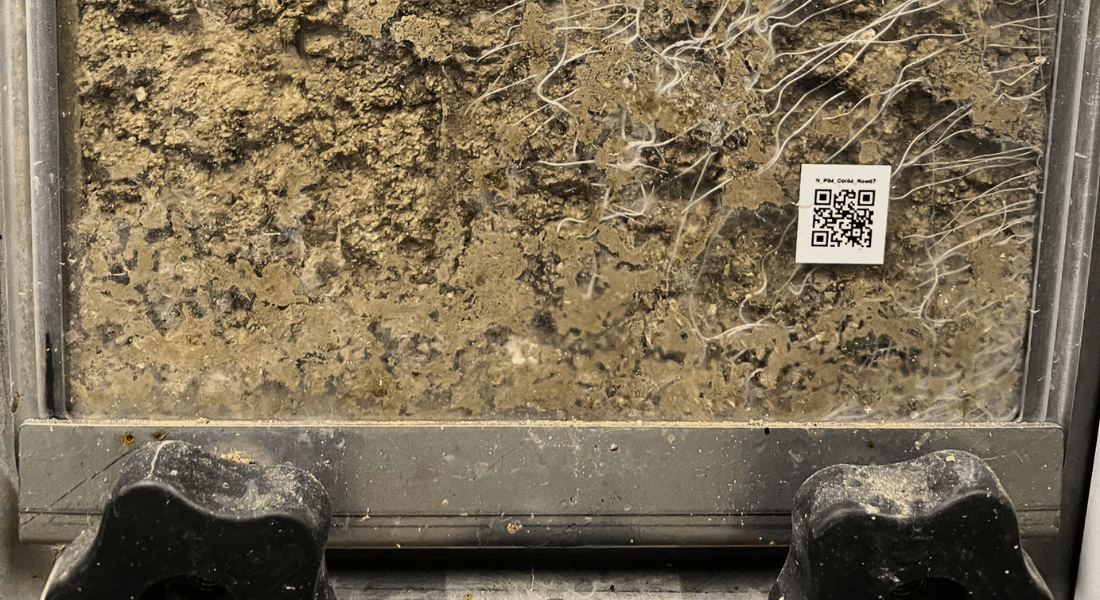
The tunnel, with 1296 inspection windows (24 panels with 56 images each), and by reaching 3 meters depth it provides access to the full root zone of the crop in real field conditions. The facility enables the study of biological, chemical, and physical processes hidden deep in the soil matrix, such as root growth, uptake of water and nitrogen, and various interactions between roots, soil and soil organisms. This is all thanks to the innovative construction using modular transparent windows and up-to-date soil sensors within each of the 24 panels of the facility.
The idea has been to create a facility that provides maximum access to study the crop root zone with diverse and dynamic measurements of roots and root zone processes. RootAccess can now facilitate a range of research activities which will be important for developing sustainable crop production with reduced nitrogen leaching loss, and adapting to climate change by improving deep soil water use. It will also enable basic studies of the root zone processes under real-life conditions, which have been almost impossible to study otherwise. The first crops were grown in the facility in 2024, and from 2025 the testing of the facility started. During 2026 we run a full year of intensive testing with a range of crops and all the different measurement equipment, to make sure that the facility is ready for research use. This has also already given valuable datasets on the dynamics of soil water use by depth for crops with very different root development and growing seasons.
Sensors and equipment installed in RootAccess
TDR sensors
- Measuring soil water content (volumetric water content, %) every 10 minutes. Also measures temperature and conductivity, which can give indication of soil nitrate content. Sensors in 5 depths, 40, 100, 160, 220 and 280 cm. Measurements started in April 2025.
Tensiometers
- Measuring soil water potential and temperature every 10 minutes. Sensors at 2 depths, 100 and 160 cm. At these depths placed in the same windows as the TDR sensors, to promote direct comparisons. Measurements started in April 2025.
Redox sensors
- Measuring soil redox potential every 10 minutes. Sensors at 4 depths, 40, 100, 160 and 220 cm. At these depths placed in same windows as TDR and tensiometers, to promote direct comparisons. Measurements started in February 2026.
Minirhizotrons
- Minirhizotrons extending 1 m into the soil from the windows. They are placed at 9 depths, at 40, 70, 100, 130, 160, 190, 220, 250 and 280 cm depth. Imaging with cameras which can take images at precise locations, to allow comparison over different time points. Root length on images can be analyzed by the RootPainter AI based image analysis software. Installed mostly during 2025, monthly imaging since February 2026.
Soil water samplers
- Ceramic cups for soil water sampling. Sampling is done by first subjecting the samplers to a vacuum, to pull in soil water which can then be sampled. They are placed at 5 depths, 40, 100, 160, 220 and 280 cm. They have been sampled monthly since February 2026, and the samples will be analyzed for inorganic N (NO3 and NH4) but can also be analyzed for other contents.
Soil gas samplers
- Gas samplers which allow the gas inside the sampler to equilibrate with the gas in the soil around it. Gas samples can then be extracted using a syringe. They are placed at 5 depths, 40, 100, 160, 220 and 280 cm. Monthly sampling started in August 2026. The samples will be analyzed for contents of CO2, N2O and CH4.
Tracer injectors
- Systems with thin porous ”rhizons” are installed (three parallel injectors, 40 cm into the soil) to allow injection of tracers. They are designed to spread the tracer well into the soil, and are placed at 5 depths, 40, 100, 160, 220 and 280 cm. The injectors allow injection of a tracer into a specific depth, followed by above ground plant sampling to study the uptake from this specific depth. The injectors will be available for ad hoc labelling, while no systematic sampling campaign is planned. NB: Tracers as heavy water or 15N can be applied, as they only stay in the soil temporarily, while e.g. cationic nutrient analogue tracers such as Cesium should be avoided as the labelling will become permanent.
Contact:
Kristian Thorup-Kristensen
Professor
Telephone: +45 35 33 22 16
E-mail: ktk@plen.ku.dk
Funded by:

Root access has received funding from Novo Nordisk Fonden
Researchers
| Name | Title | Phone | |
| Kristian Thorup-Kristensen | Professor | +4535332216 | |
| Sander Bruun | Professor | +4535333481 | |
| Federico Calamita | Academic Staff | +4571463488 |